
Do not sign in haste
Assignment declarations, repair orders or settlement offers should only be signed once the extent of the damage is established.

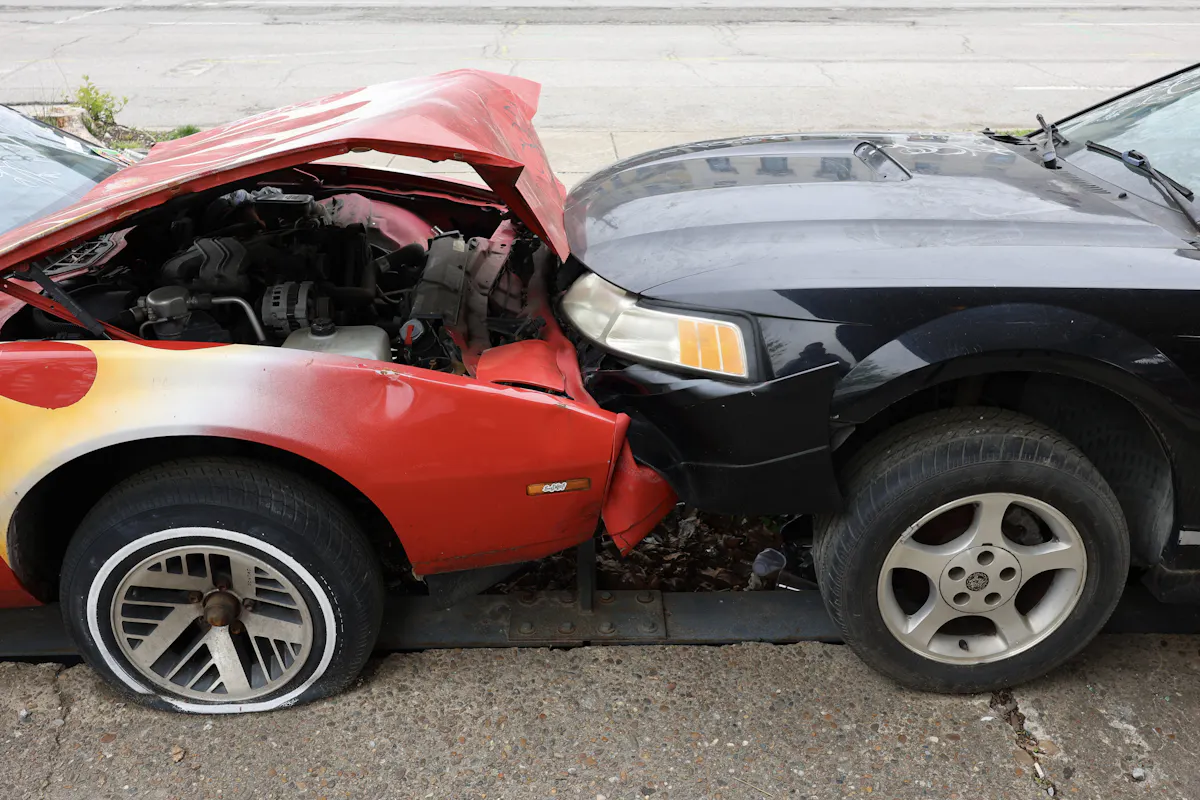
After a collision that was not your fault, how much compensation actually arrives is often decided on the very first day. This article sets out what matters in those first hours – from the daily work of an appraisal practice.
A road traffic collision is, first of all, an exceptional situation. And it is in exactly that state that decisions get made which are hard to correct later: traces at the scene disappear, vehicles are moved, and first statements to insurers are already out in the world.
In our experience most reductions in a settlement arise not from argument about who was at fault but from incomplete documentation. What was not recorded on the day can hardly be evidenced weeks later – and what cannot be evidenced is regularly not paid by the other side's insurer.
The points below are deliberately brief. They are no substitute for legal advice, but they reflect the order that has proved itself in practice.
Once nobody is injured and the scene is secure, securing the evidence comes next – before any insurer is contacted.
Hazard lights, high-visibility vest, warning triangle. Call the police where anyone is injured, where liability is unclear or where the property damage is substantial.
An overview of the whole scene from four directions, then the detail: damage, registration plates, skid marks, road signs, the weather and the light.
The other driver's name, address, insurer and policy number. Note witnesses with their contact details – not just their names.
Only then inform the insurer. Your own appraiser documents the damage in full before anything is repaired or disposed of.
Photographs taken on the day are by far the most important evidence – and they cost nothing but two minutes.
What matters is combining the wide view with the detail. Close-ups alone leave the position of the vehicles open; wide shots alone do not show the damage. Together, the two make the sequence of events traceable.
Assignment declarations, repair orders or settlement offers should only be signed once the extent of the damage is established.
If the vehicle is repaired before the appraisal, the original condition can no longer be established. That regularly works against you.
You have the right to your own appraiser. Where the collision was not your fault, the other side bears the cost.
Whoever causes damage must restore the state of affairs that would exist had the damaging event not occurred. From that it follows: you may choose the workshop freely, you may instruct your own appraiser, and you are entitled to replacement mobility for the duration of the repair.
Above what German practice calls the Bagatellgrenze, the minor damage threshold – depending on the case law roughly €700 to €1,000 – a full appraisal counts as necessary within the meaning of the provision. Below it, a repair estimate normally suffices.
Please note: This article gives general guidance from appraisal practice and is no substitute for legal advice in an individual case. Where liability is disputed you should bring in a solicitor specialising in German road traffic law – and where the collision was not your fault, the other side's liability insurer bears those costs too.

One call is enough. We come to the vehicle – at home, at work, at the workshop or at the scene.
Head office in Schramberg-Sulgen, branch office in Rottweil. For the damage inspection we come to you in any case – on site, at the workshop or at your home.

We only use storage that is technically necessary. External content – Google Maps, Instagram and the review seal – is loaded only once you have agreed. You can change this at any time in the footer.